Chelsea Flower Show

Staying with the theme of nature…

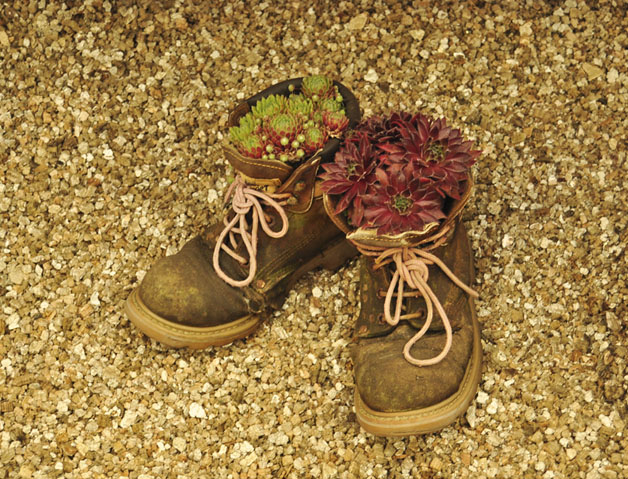
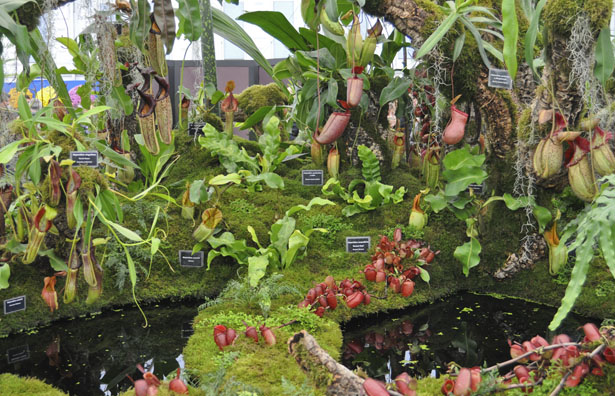
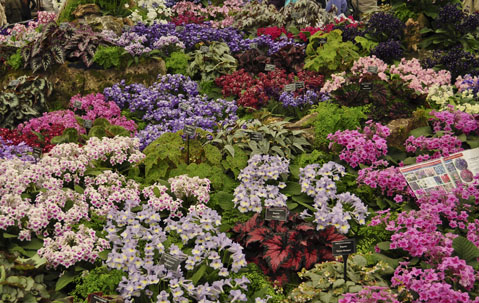
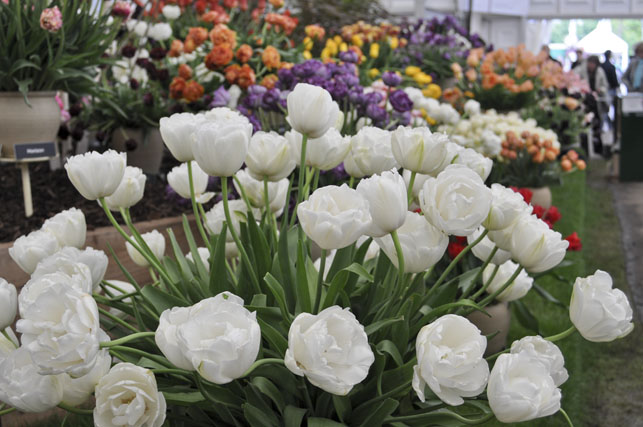
Kevin and I attended the Royal Horticultural Society’s Chelsea Flower Show last month.  Located on the grounds of the Royal Hospital in Chelsea, London, this annual festival of flowers attracts over 150,000 visitors each year, including Her Majesty The Queen.

The Chelsea Flower Show began in 1862 as the Great Spring Show.  Over the years, it has grown to become one of the most respected and most famous flower shows in the world.  It is also a top venue to watch emerging trends in garden and floral design (something Kevin and I know a lot about).

The vibrant, eye-catching colors and enchanting fragrances definitely stimulated our senses.  Mom and Marcia, you both would have loved it!  Maybe next year???

Kew Gardens

Another fun thing we did with Kevin’s parents was take the Tube to Kew Gardens.

Bird of Paradise

Bird of Paradise inside Temperate House

The Royal Botanical Gardens, Kew, (as its formally known) is located in Richmond, about 10 miles west of central London.  Kew Gardens consists of over 325 acres of gardens, glasshouses and wildlife.  Kew has the largest and most comprehensive collection of plants in the world and is also a center of scientific research and conservation.

Kew was established in 1759 as a nine-acre garden by Princess Augusta, mother of King George III.  Over the years, it has grown to become a major visitor attraction and is recognized as a UNESCO World Heritage Site.

It was a lovely, sunny day when we visited Kew.  Here are a few of the highlights…

Tropical Plants

Tropical Plants inside Temperate House
Temperate House

Temperate House

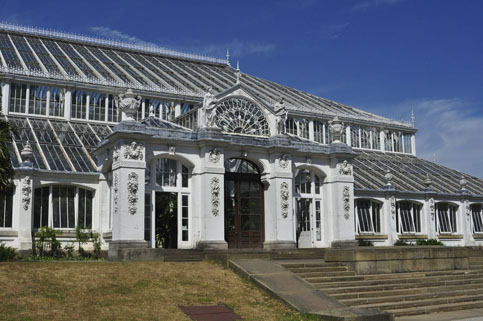
The Temperate House (c.1859) is the world’s largest surviving Victorian glass structure, at over 52,525 square feet.  It contains exotic plants and tropical trees and palms from around the world.

The Pagoda

The Pagoda

The Pagoda, completed in 1762, was designed by Sir William Chambers who had a special interest in Chinese architecture and design. The ten-story structure is one of Kew’s most popular features.

Japanese Gateway

Japanese Gateway

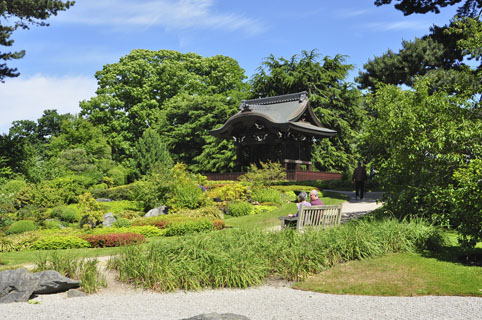
The Japanese Gateway (Chokushi-Mon) was originally created for the Japan-British exhibition in 1910.  It is a replica of the Western Temple of the Original Vow (Gate of Nishi Hongan-ji) in Kyoto, Japan.
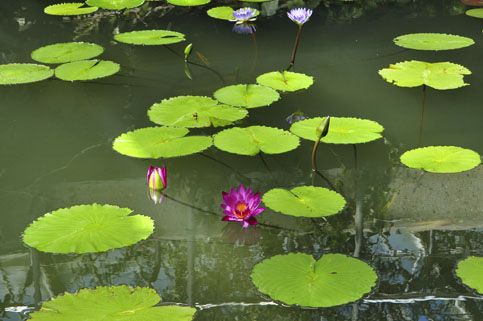
Waterlilies

Waterlilies in the Waterlily House

Peacock

A Resident Peacock

Rose Gardens

Rose Gardens

It was a great day and a nice break from the urban landscape of London.

Royal Botanical Gardens, Kew

Cruisin’ on the Thames to GMT

Red Time Ball

Red Time Ball at Royal Observatory

While Kevin’s parents were in town, we took a cruise down the River Thames from Westminster Bridge to Greenwich.  Greenwich is probably best known for the place from which the world’s time is measured or Greenwich Mean Time (GMT).

The Royal Observatory, in Greenwich Park, is home to Greenwich Mean Time.  In 1884, GMT became the world’s time standard at an international conference. Those countries involved in the conference agreed that the Greenwich Meridian would become the world’s Prime Meridian, therefore, the world’s time and time zones would be measured from this point.

Prime Meridian

(image from wikimedia commons)

The Prime Meridian is Earth’s 0° line of longitude stretching from the North Pole to the South Pole and divides the Earth into eastern and western hemispheres (the Equator divides the Earth into northern and southern hemispheres).  So, generally speaking, local time east of the line is ahead of GMT and local time west of the line is behind GMT.

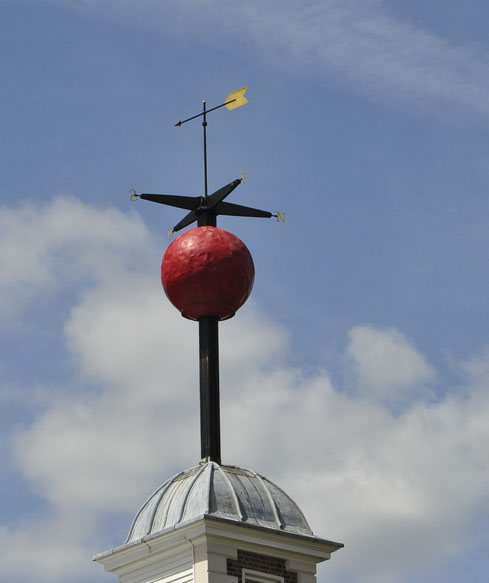
Each day, the Red Time Ball at the Royal Observatory, on top of the Flamsteed House, drops at exactly 1:00pm (13:00 GMT).   We made it just in time to see the ball drop and then set our watches accordingly.

And this concludes your (very) basic geography lesson for today…

Tower of London

Tower of London

Tower of London

The Tower of London has served several purposes throughout its vast history on the north bank of the River Thames.  We recently visited the Tower with Kevin’s parents, while they were spending some time with us in LondonTown.

The Tower of London was established as a fortress around the 1070s by William the Conqueror.  Throughout its history it has also served as a royal residence, a prison as well as an execution site.  Today, the Tower is one of London’s most popular tourist attractions, primarily because it is home to the spectacular Crown Jewels.

The Crown Jewels consist of the crowns, robes, scepters, orbs, swords, ornaments and clothing used during coronations and other state occasions.  The beautiful diamonds, jewels, gems and gold dazzle—especially the Imperial State Crown that has over 2,800 diamonds!  This massive collection isn’t even insured as they could never be replaced.  (I would have loved to take photos here but photography is not allowed.)

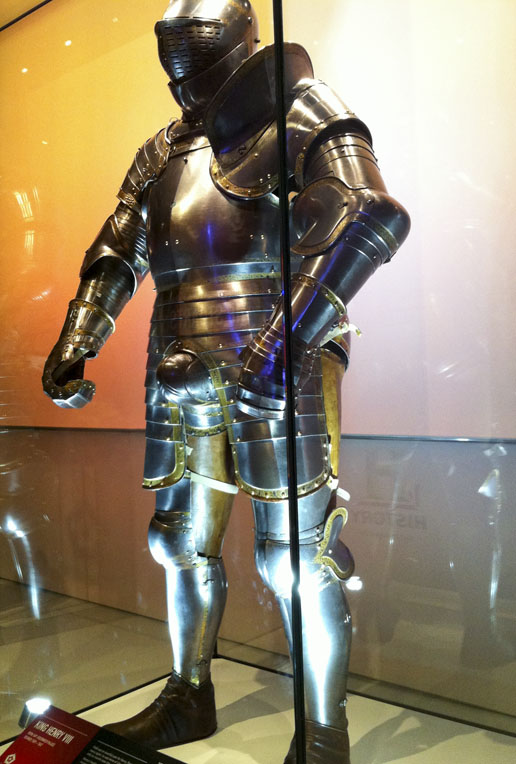
Another highlight of the Tower of London is the exhibition of royal armor—over five hundred years worth.  The variety of armor and weaponry make for a grand display.  It was interesting to see the different shapes and sizes of the suits of armor for previous kings—especially Henry VIII who found it necessary to protect his “vital assets” with a bit more metal…

Henry VIII's Suit of Armor

Henry VIII's Suit of Armor

We took a guided tour with a Yeoman Warder, or “Beefeater” as they are nicknamed.  The Tower of London is home to the Warders, as they actually live inside the outer walls of the Tower’s grounds.  The Warder’s official role is to guard the Tower and the precious Crown Jewels.  Our “Beefeater” was highly entertaining and wonderfully witty.

Yeoman Warder

Yeoman Warder

It was a fun experience to learn a bit more about this historic city.