Tag Archives: photography

Vienna, Austria

Tulips

A weekend in sunny Vienna…

Last weekend we flew to the Austrian capital for a quick two-day trip.  The sunny, warm weather was a welcomed change from the rainy, cool April in London.   We delighted in the 75°F (24°C) temperatures so much that we found it difficult to leave.

The one word I would use to describe Vienna is clean—meticulously clean.  The architecturally rich city center mixes both past and present effortlessly.  It is a pleasant city with a laid-back vibe.

Much of Vienna’s past history (and Austria’s for that matter) surrounds the mighty Habsburg Empire, which lasted 640 years.  The Habsburg reign began in 1278 and ended in 1918 at the end of World War I.  This illustrious family lived in two palatial palaces in Vienna, one for winter and one for summer.

Hofburg Palace

Hofburg Palace

Hofburg Palace, in the city center, was once the grand, winter residence of the Habsburgs.  The tour of this stately complex includes the Imperial Apartments (Kaiserappartements), Sisi Museum (Empress Elisabeth, known as Sisi, was the wife of Emperor Franz Josef), and a look through the impressive Imperial Silver Collection.

Hofburg Palace Courtyard

Hofburg Palace Courtyard

Hofburg Palace continues to be a seat of power, as it is home to the office of the President of Austria.

Spanish Riding School

Spanish Riding School

Located behind the Hofburg is the Spanish Riding School (Spanische Hofreitschule) of the Lipizzaner Stallions—the famous Habsburg court horses.  The Lipizzaner breed dates back to the 16th century.  Visitors can watch these beautiful creatures strut their stuff during, often sold-out, public performances.
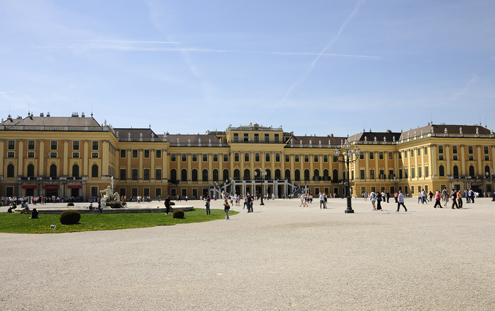
Schonbrunn Palace

Schönbrunn Palace

The sumptuous 1,441-room Schönbrunn Palace was the summer residence of the Habsburg family.  Due to time constraints, we did not tour the inside of this one but wandered around the vast palace gardens instead and enjoyed the pristine surroundings as well as the warm weather.  Below are some photos of this massive estate…

Schonbrunn Palace Gardens

Schönbrunn Palace Gardens

Palace Gardens

Palace Gardens

Neptune Fountain

Neptune Fountain

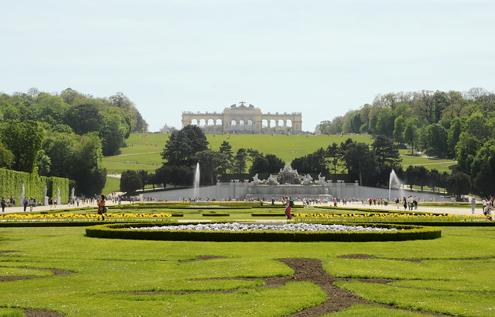
Gloriette Monument

Gloriette Monument

Gloriette and Gardens

View of Gloriette and Gardens

Schonbrunn Maze

The Maze at Schönbrunn

Kevin and I are happy to report that we made it through the maze…after only a couple dead-end turns.

St. Stephen's Cathedral

St. Stephen’s Cathedral

St. Stephen’s Cathedral (Stephansdom), with its Gothic spire and ornately patterned roof tiles, is one of Vienna’s iconic landmarks.  Consecrated in 1147, the church has undergone several expansions over the years and survived many wars.  The cathedral’s catacombs contain some of the internal organs of the Habsburg royal family.

Vienna State Opera

Vienna State Opera

As one of the world’s finest cities for classical music, a trip to Vienna wouldn’t be complete without a visit to the Vienna State Opera (Staatsoper).  I can’t say that k&mk are avid opera-goers, but it was a great experience to attend Giuseppe Verdi’s Don Carlos—even if it was for only 45 minutes in the €4 standing area “cheap seats”…it was well worth it.

Thank you Vienna for the perfect weather!  We enjoyed our visit.
Rome, Italy

After leaving Naples, we headed to the Italian capital by train and arrived in just under two hours to continue our holiday.

Colosseum Up Close

This trip was extra special as it was my sister’s first time visiting Rome.  It was the second time for me, but this time Rome seemed even better.  It’s a very special place—a living history lesson that simply astonishes.

Here are some of the spectacular sights of this great city…

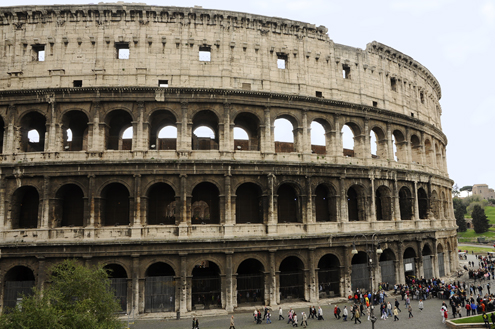
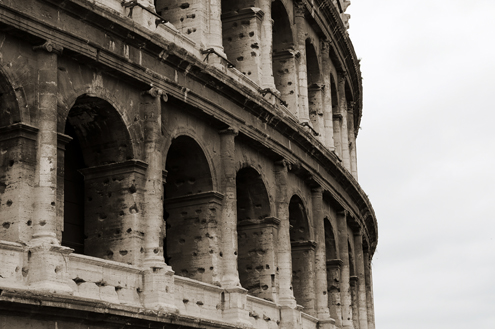
Colosseum

The Colosseum

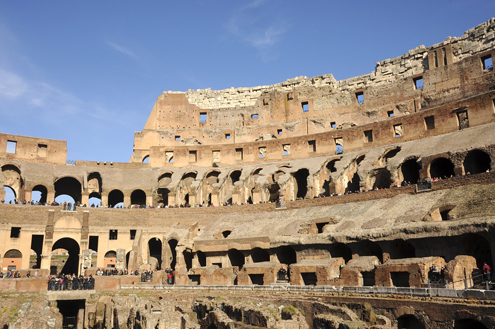
A trip to Rome wouldn’t be complete without seeing the Colosseum.  Construction on this “colossal” amphitheater began in 72 AD, which says a thing or two about Roman engineering.  It could accommodate about 50,000 spectators for gladiator contests or other public performances.

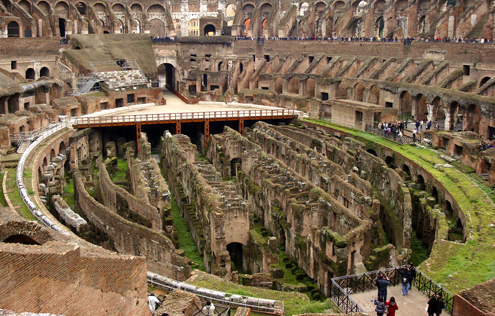
Colosseum Floor

Reconstructed Colosseum Floor with Subterranean Level Below

Currently, the subterranean level and the third tier are open to private tours— it was definitely well worth the extra money to see these areas up close.

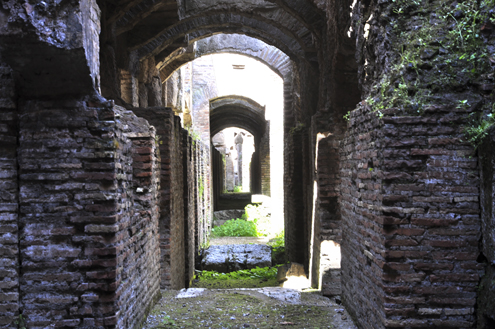
Subterranean Level

Subterranean Level

Subterranean Lift

Lift shaft that raised animals up to Colosseum floor.

The subterranean level, or “the backstage”, was a series of passageways and rooms where animals and gladiators were held before they took center stage to fight.  (I’m sure it wasn’t the most pleasant place to be at that time, but so interesting to see now.)

The Colosseum Tiers

The Colosseum Tiers

Standing on the upper tier of the Colosseum offered us spectacular views.  We really got a sense of its colossal size from this vantage point.  Amazing.
Roman Forum Main Square

Roman Forum Main Square

Next to the Colosseum is the Roman Forum, the center of Roman life during the great Roman Empire.  Set between Rome’s seven hills, the Roman Forum has so many significant ruins it’s mind-boggling.  Here’s a glance at some of the surviving structures…

Temple of Venus and Rome

Temple of Venus and Rome

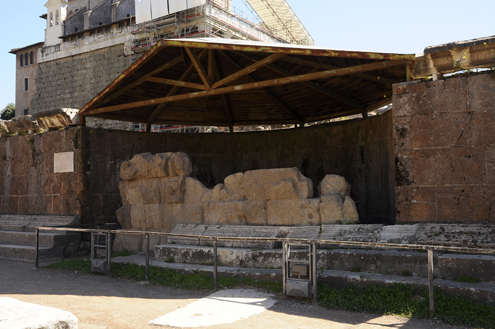
Temple of Julius Ceasar

Temple of Julius Caesar - Site of Caesar’s Cremation

House of the Vestal Virgins

Site of The House of the Vestal Virgins

Arch of Titus

Arch of Titus

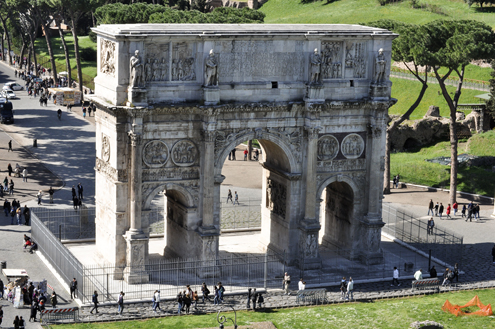
Arch of Constantine

Arch of Constantine

Near the Roman Forum and the Colosseum stands the Arch of Constantine—a triumphal arch to mark Constantine’s victory over Maxentius in 312 AD which, in turn, made Christianity mainstream.

Staying on the topic of Christianity, a visit to the tiny independent city-state of Vatican City is a must-see on any Rome itinerary.

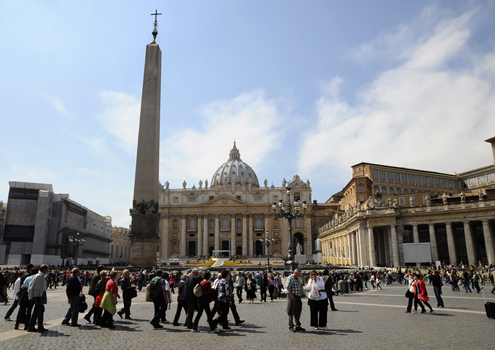
St. Peter's Basilica and Square

St. Peter's Basilica and Square

This small country (about 100 acres), ruled by the Pope, has its own postal system, currency, armed Swiss guards and mini train station along with the largest Christian church in the world (St. Peter’s Basilica), an immense museum (Vatican Museum), and Michelangelo’s masterpiece, the Sistine Chapel.  So many treasures in such a small space.  It’s magnificent.

Other sights we visited…

Capitoline Hill

Capitoline Hill

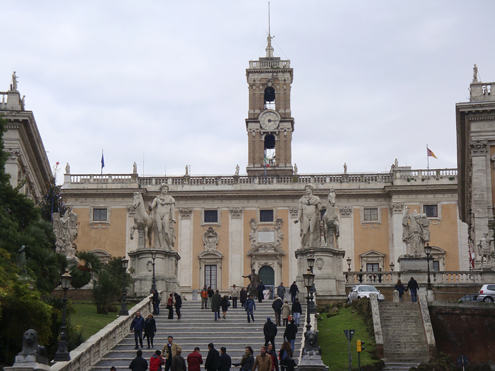
Capitoline Hill was once the center of Roman politics.  The square,  the Piazza del Campidoglio, was designed by Michelangelo.

Piazza Navona

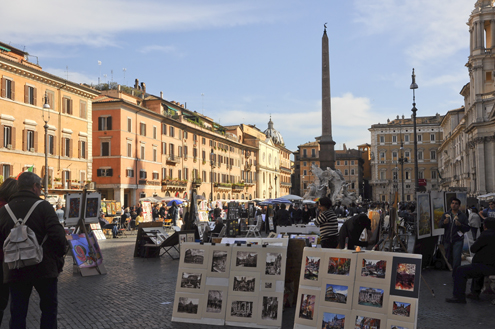
Artists in Piazza Navona

Victor Emmanuel

National Monument to Victor Emmanuel II

The National Monument to Victor Emmanuel II (Altare della Patria) was built to commemorate Italy’s unification and celebrate their first king, Victor Emmanuel. The statue of the king on the horse in the center is simply enormous.

Trevi Fountain

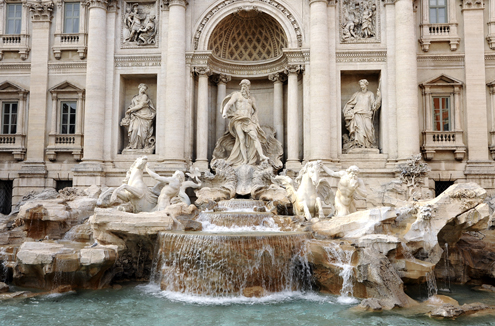
Trevi Fountain - One of the most famous fountains.

The Pantheon

The Pantheon

The Pantheon once served as a temple in ancient Rome and is still in use today as a church, some 2,000 years since its construction.

Spanish Steps

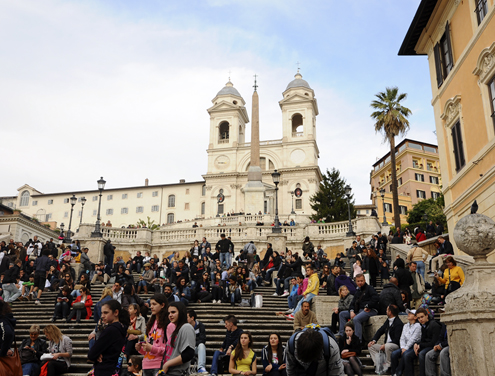
Spanish Steps - One of Rome's iconic sights.

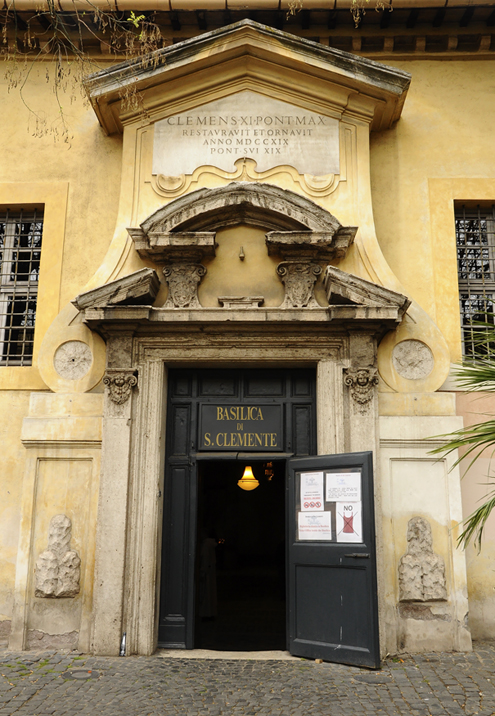
Basilica of San Clemente

Basilica of San Clemente

A brilliant example of Rome’s layered history can be found within the Basilica of San Clemente.  This 12th century basilica was built upon a 4th century basilica which was built upon a 2nd century pagan temple.  A very interesting place to see.

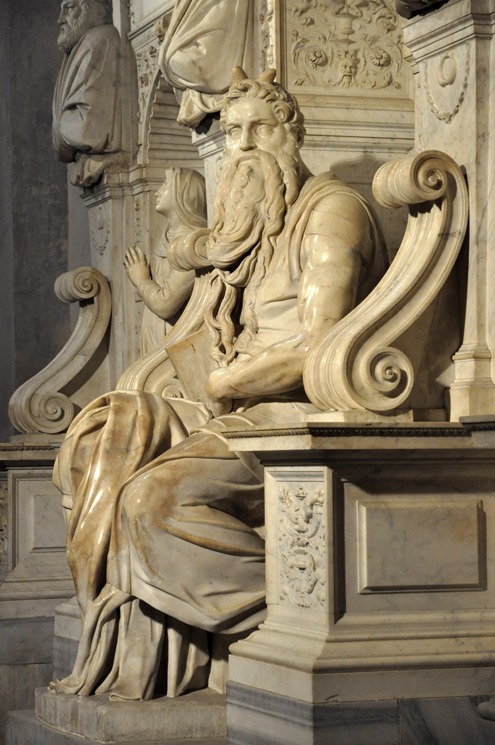
Michelangelo's Moses

Michelangelo's Moses at St. Peter-in-Chains

Built in the 5th century, St. Peter-in-Chains Church (San Pietro in Vincoli) is home to Michelangelo’s famous statue of Moses as well as the chains that held St. Peter.

With so many sights, sounds and flavors to digest, one should never find themselves bored in this magnificent city.  Even after all the pasta we consumed, we still managed to burn some serious calories walking through history.

Grazie, Rome! Grazie, Italy!

Naples, Italy

Last week my sister joined Kevin and I for a short holiday in Italy.  We visited Naples and Rome and enjoyed the sights, sounds, and flavors of these two popular Italian cities.

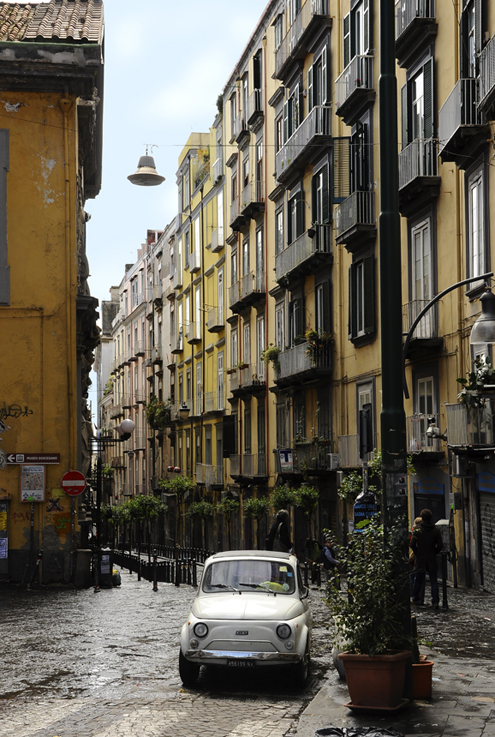
A Street in Naples

A Street in Naples

We headed to Naples early Saturday morning with one goal in mind—to eat pizza.  Having only one night here, we knew we had to spend our time wisely.

Since Naples is…

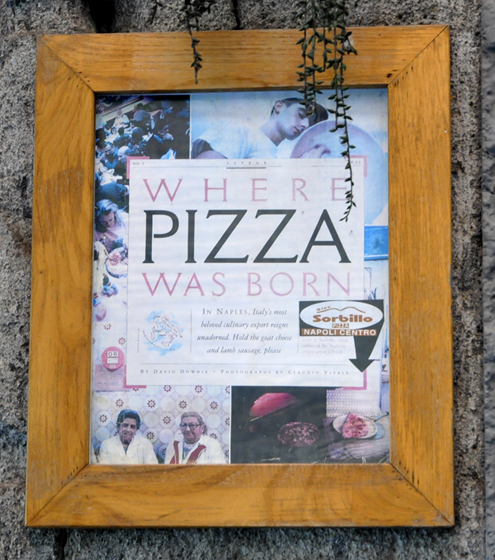
Where Pizza Was Born

…you can’t visit here and not try the pizza.  Just about everyone (from travel writers, bloggers, and past visitors) seems to have an opinion on where to go for the best pizza.  Author Elizabeth Gilbert made Antica Pizzeria da Michelle (even more) famous in her book Eat, Pray, Love (followed up by a visit from Julie Roberts who played the author in the movie version).  However, we decided to stay away from Hollywood and visit the popular Pizzeria Sorbillo instead and indulge on some of the best pizza we’ve ever had.

The real Neapolitan pizza (la vera pizza napoletana) has a thin crust,  just the right amount of toppings and is cooked in a wood-fire oven.   Local favorites are margherita (tomato, mozzarella, and basil) and marinara (tomato, garlic, oregano, and olive oil), so we ordered those.  We also opted for a third, diavolo (tomato, mozzarella, spicy salami),  and they were all delicious!  The margherita was our favorite.

Margherita Pizza

Margherita Pizza

Marinara Pizza

Marinara Pizza

Diavolo Pizza

Diavolo Pizza

Despite Neapolitan pizza, Naples is also known for fresh seafood and…yes…we tried that too, at Ristorante La Vela, and it was superb.

Much has been written about Naples being “dirty” or “grimy” and, unfortunately, in many parts of the city it’s true.  However, the extremely welcoming Neapolitans, with a palpable love of their city, make you overlook the less attractive parts.  This is the truly fascinating thing about Naples, as it’s all about the people.  We met some of the most memorable taxi drivers here—humorous, high-spirited with melodious singing voices.  A real treat!

With impressive architecture, old European streets, art galleries, marvelous churches, views of Mount Vesuvius over the Bay, Naples has so much to see.

Streets of Naples

Streets of Naples

Streets of Naples

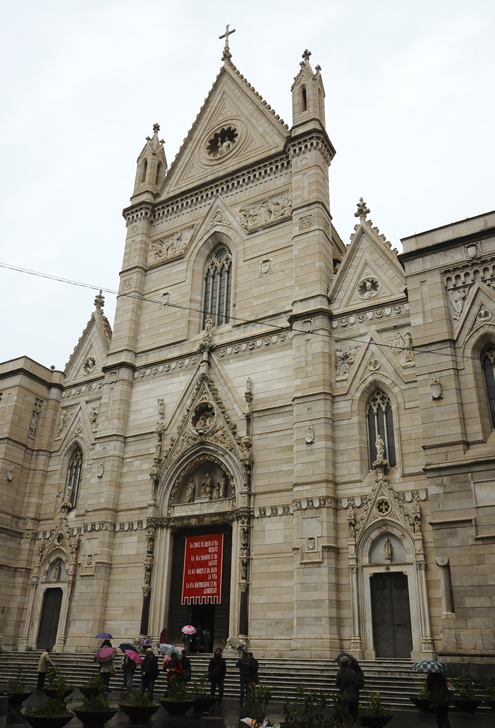
Naples Cathedral

Naples Cathedral

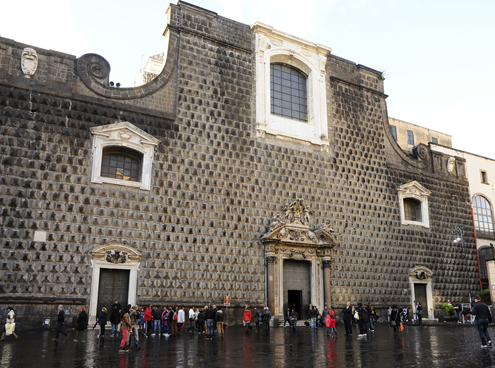
Church of Gesu Nuovo

Church of Gesù Nuovo

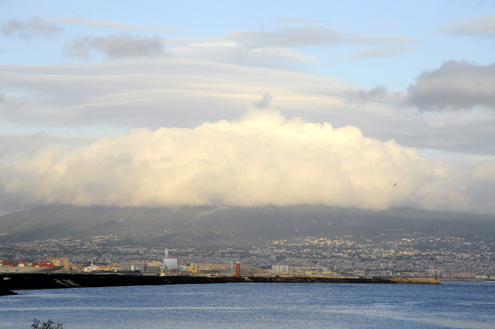
Mount Vesuvius

Mount Vesuvius - Can you see it behind the clouds?

One fascinating place we visited was Sansevero Chapel (Cappella Sansevero).  Built in 1590, the Baroque-styled chapel contains over 30 works of art from influential Italian artists, but one remarkable masterpiece steals the spotlight—Giuseppe Sanmartino’s Veiled Christ (Cristo Velato).

This incredible, almost lifelike, depiction of Christ covered by a veil is one of those sculptures you can stare at for hours and wonder, “How exactly did the artist do this?”

Take a look for yourself (Sansevero Chapel)...
http://www.museosansevero.it/inglese/cappellasansevero/cristovelato.html

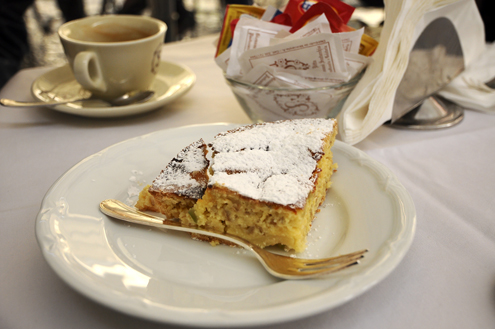
Waking up on Easter morning, we still had some time before our train departed for Rome.  So, at the recommendation of our hotel’s concierge, we ventured off to find Scaturchio, a pasticcieri in Piazza San Domenico Maggiore, to treat ourselves to Pastiera, the traditional Neapolitan Easter cake.  With coffees in hand, we sat in the piazza and shared a slice.  Happy Easter to us.

Pastiera Napoletana

Pastiera Napoletana - Easter Cake

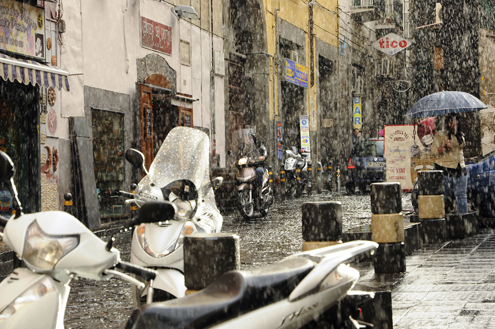
Despite several bouts of rain, we unquestionably enjoyed our short visit to the birthplace of pizza.  Grazie, Naples!

Rainy Naples

And now…off to Rome.

Amakhala Game Reserve, South Africa

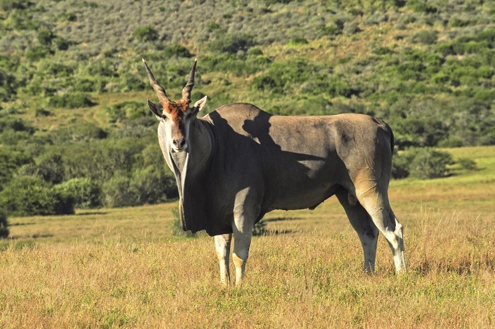
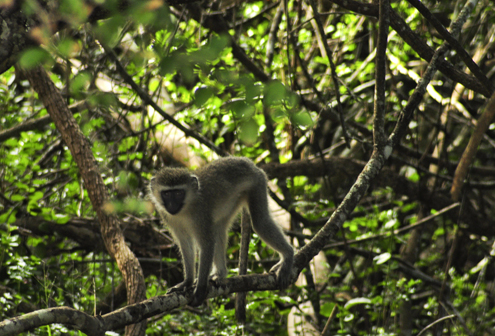
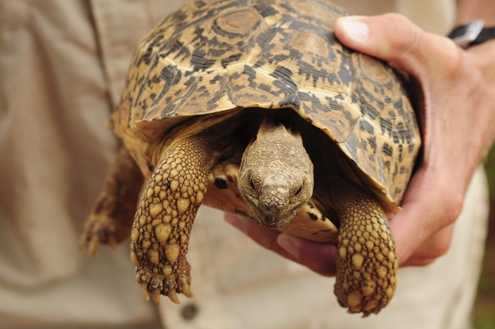
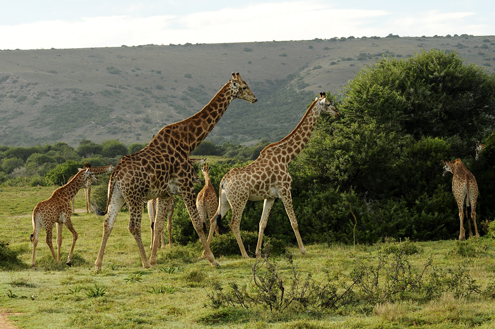
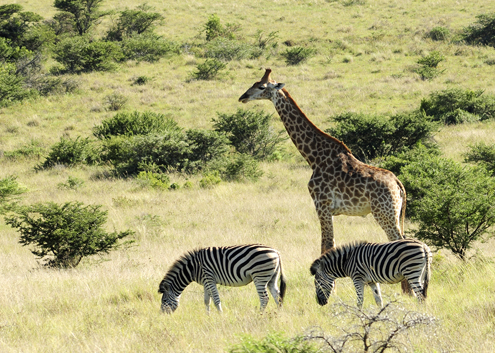
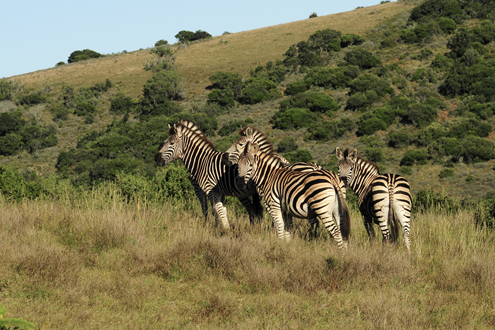
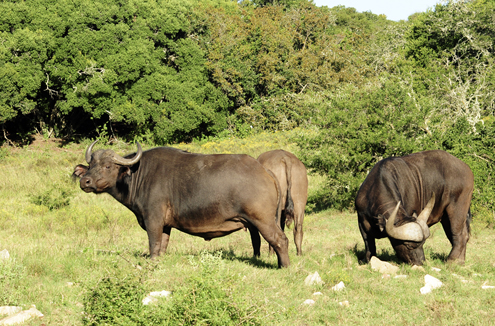
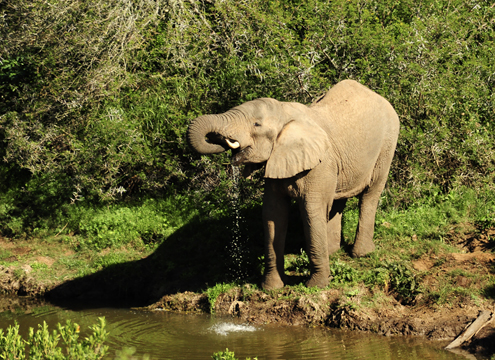
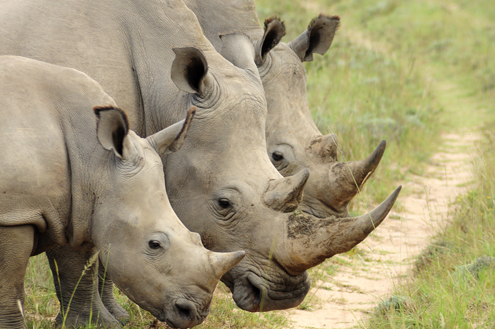
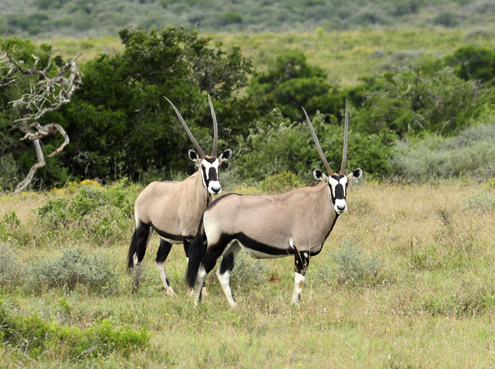
From Cape Town, we made our way to the Amakhala Game Reserve, in the Eastern Cape, where we stayed for three nights amongst so much natural beauty. Amakhala is a unique game reserve with a strong initiative to re-introduce wildlife and flora to land that was used to ranch cattle for many years.  It is a substantial conservation effort, but Amakhala seems to be making great strides as all the animals we came across look right at home.   We loved seeing these amazing creatures move about in their natural habitat.  It was certainly an experience to remember.

Here are some of the photos of our new friends…

(Click on the first photo to start the Photo Gallery.  Enjoy!)